
High cholesterol can be frustrating, especially when you are trying to make healthier choices but are unsure what to eat or what may be contributing to your results. At Holistic Nutrition Nut, personalized nutrition support can help you better understand your cholesterol results and develop practical eating and lifestyle habits that support cardiovascular health.
High cholesterol occurs when certain types of cholesterol in the blood are higher than recommended levels. Cholesterol is an important substance your body uses to make hormones, cell membranes, and other compounds, but higher levels of LDL cholesterol and other cholesterol-carrying particles can contribute to plaque buildup in the arteries over time. This can increase the risk of heart disease and stroke.
A standard cholesterol panel typically includes total cholesterol, LDL cholesterol, HDL cholesterol, and triglycerides. Diet, genetics, physical activity, hormones, medications, and other health factors can all influence cholesterol levels.
Prediabetes often has no obvious symptoms, which is one reason it can go undetected. Some people may experience signs associated with insulin resistance or changes in blood sugar, but symptoms are not always present.
One possible sign of insulin resistance is darkened, thickened skin in certain areas of the body, particularly around the neck, armpits, or groin. Other changes in energy, hunger, or weight may have many possible causes and should not be used alone to determine whether you have prediabetes.
Because prediabetes may not cause noticeable symptoms, appropriate blood sugar testing is important, particularly if you have risk factors for developing type 2 diabetes.
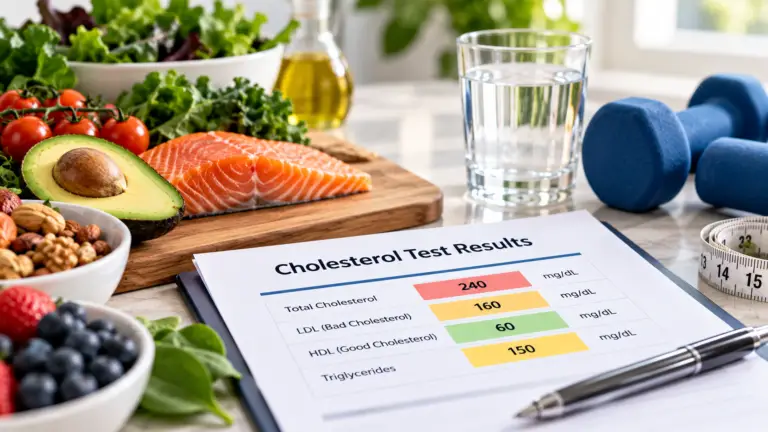
High cholesterol usually does not cause noticeable symptoms. Many people first learn that their cholesterol is elevated through routine blood work.
Because there may be no obvious warning signs, regular health screenings are important. Over time, certain cholesterol patterns can contribute to plaque buildup in the arteries and increase cardiovascular risk.
Symptoms such as chest pain or pressure, shortness of breath, or signs of a heart attack or stroke require prompt medical attention.
Nutrition counseling can complement medical care but does not replace medical diagnosis or treatment.
At Holistic Nutrition Nut, I take a personalized functional nutrition approach to cholesterol and cardiovascular health. Rather than simply focusing on foods that contain cholesterol or using a one-size-fits-all approach to saturated fat, I look at the bigger picture, including your overall dietary pattern, food quality, inflammation, insulin resistance, genetics, hormones, activity level, sleep, and other factors that may influence cardiovascular health.
I’m Ana Coyle, MS, RDN, FMCP, a registered dietitian and Functional Medicine Certified Practitioner. I combine evidence-based nutrition with functional medicine principles to help identify patterns that may be affecting your cholesterol and overall metabolic health.
Your personalized plan may include:
Support is available through in-person 1:1 appointments or virtual appointments, giving you flexibility in how you receive nutrition guidance. You can choose from an individual session, a 1-month package, or a 3-month package, depending on the level of support you need.
Nutrition counseling can complement the care you receive from your physician or other healthcare professional. Your medical provider can determine whether medication or additional treatment is appropriate based on your cholesterol levels, health history, and overall cardiovascular risk.
Join our community to discover valuable insights, exclusive offers, and empowering health tips that will elevate your journey.
Nutrition changes can help improve cholesterol levels for many people. Increasing soluble fiber, choosing more unsaturated fats, improving overall food quality, and reducing highly processed foods may help. Individual results can vary based on genetics, health history, medications, hormones, and other factors.
There is no single diet that works for everyone. A personalized eating pattern may include vegetables, fruits, beans, legumes, whole grains, nuts, seeds, omega-3-rich foods, sources of soluble fiber, quality protein, and unsaturated fats. Even foods generally considered healthy may not be the best fit for every person based on digestive tolerance, blood sugar response, food sensitivities, or other individual health factors. This is why nutrition recommendations should be tailored to your unique needs, health history, and laboratory findings.
No. Not all dietary fats affect your health in the same way. Healthy fats from foods such as nuts, seeds, avocado, olive oil, and omega-3-rich fish can be part of a heart-healthy eating pattern. Depending on your cholesterol pattern and individual response, I may also look at the amount and sources of saturated fat in your diet and recommend adjustments when appropriate.
Diet is only one factor that influences cholesterol. Genetics, thyroid function, menopause and other hormonal changes, insulin resistance, inflammation, body composition, activity level, medications, alcohol intake, and other health factors may also play a role. This is why I look at your overall health history, lifestyle, and laboratory patterns rather than assuming elevated cholesterol is simply caused by eating the wrong foods.
Nutrition counseling does not replace medication prescribed by your healthcare provider. At Holistic Nutrition Nut, the focus is on personalized nutrition and dietary habits that can complement your medical care.
Yes. Holistic Nutrition Nut offers both in-person 1:1 appointments and virtual appointments. You can select an individual session, 1-month package, or 3-month package based on your goals and desired level of support.